
Aluminum alloy fire-resistant windows, steel fireproof windows series
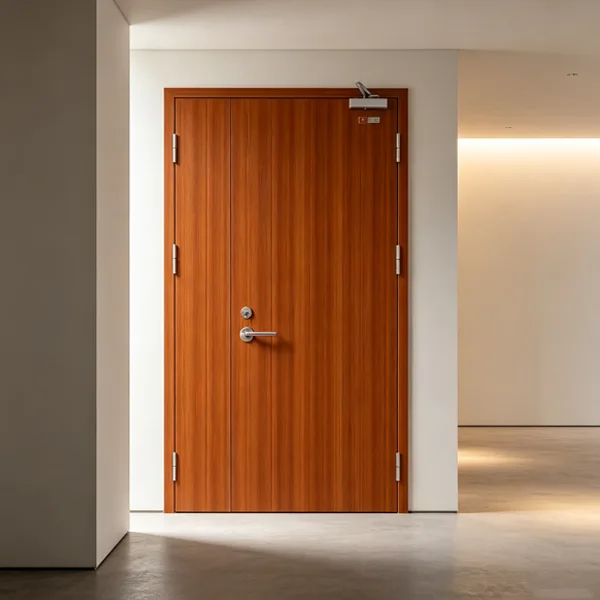
Fire-resistant doors/windows: The door/window sash refers to a door/window composed of a steel window frame, steel window sash, and fire-resistant glass, capable of isolating and preventing the spread of fire. Fire-resistant windows are generally installed in openings on the external walls of buildings where the fire separation distance is insufficient, or in skylights, as well as in parts of the building’s internal firewalls or protective partitions that require observation, and in external wall openings where vertical fire spread needs to be prevented.
Fire-resistant rating of fire doors/windows
Grade A shall not be less than 1.5 hours, Grade B shall not be less than 1 hour, and Grade C shall not be less than 0.5 hours. Fire-resistant windows shall comply with the latest standard GB16809-2008.
Characteristics of fireproof windows
Fire-resistant windows are widely used in fire-resistant partitions of industrial and civil buildings, effectively preventing the spread of fire and ensuring the safety of life and property. They are indispensable fire-resistant facilities in modern architecture. In addition to the functions of ordinary windows, fire-resistant windows have special features such as fire resistance, heat insulation, suppression of fire spread, and protection for personnel evacuation. They are widely used in high-rise buildings, large shopping malls, and other densely populated places.
- Fire resistance limit of steel fireproof window: 1.5 hours (Grade A).
- Steel fire-resistant windows possess functions such as fire resistance, sound insulation, heat insulation, and high light transmittance.
- It can be equipped with an automatic door and window opening system that is linked with the fire control center.
- Fireproof windows are classified into fixed fireproof windows, casement fireproof windows, and steel fireproof windows.
Technical Requirements
Materials and accessories
(1) The window frame adopts a steel-framed rosewood structure with sufficient strength to ensure the integrity and stability of the construction.
(2) Galvanized steel plates or stainless steel plates can be selected for steel frames and battens. The material selection criteria shall comply with the provisions of Article 5.1 in GB12955 “General Technical Conditions for Steel Fire Doors”.
(3) The material selection criteria for wooden frames and battens should comply with the provisions of Article 5.1.1 in GB14101 “General Technical Conditions for Wood Fireproof Doors”.
(4) The filler materials inside steel and wooden frames should be non-combustible materials.
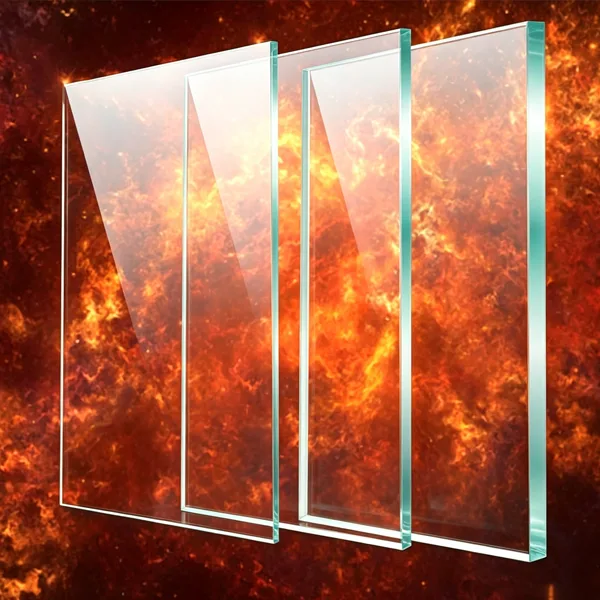
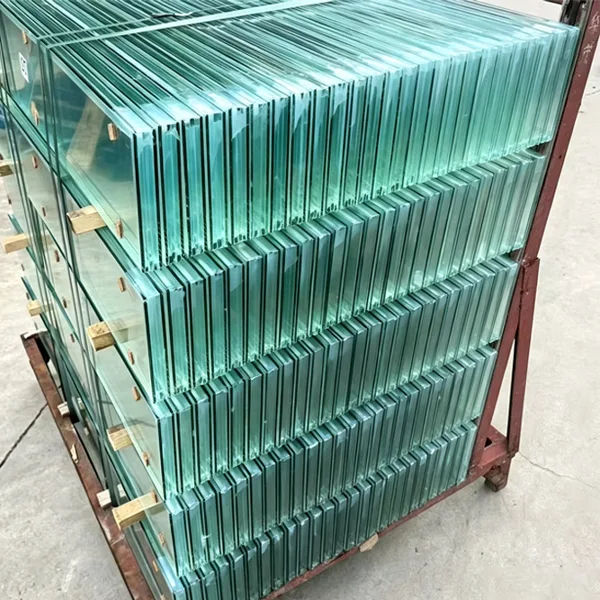
(5) Fire-resistant glass can be selected from products that do not affect the fire resistance test of fire-resistant windows and have passed the test. The light transmittance of the glass should not be less than 75% of that of ordinary flat glass with the same number of layers.
(6) The sealing material between the frame and the fire-resistant glass should be made of non-flammable materials, which can serve as a fire and smoke barrier in case of a fire.
(7) Hardware accessories should be standardized and matched products that have passed inspection.
(8) Fireproof window opening and closing device: It must have the function of releasing the fireproof window sash through temperature sensing. Currently, there are integrated (window closer) and split (fuse device) options available on the market.
Steel non-insulated fire-resistant window
Non-insulated fire-resistant windows are typically made of steel, aluminum alloy, plastic-steel, or other window frames and sashes that have undergone insulation or other enhanced treatments, along with fire-resistant glass. They possess a certain level of fire integrity and can serve as a window that prevents isolation and hinders the spread of fire for a corresponding period of time. As the name implies, they are windows that meet certain integrity requirements.
In addition to meeting the requirements for fire integrity, non-insulated fire-resistant windows should also fulfill other performance criteria for external windows of buildings, such as thermal insulation and energy efficiency, wind pressure resistance, etc. The initial demand for fire-resistant windows was outlined in the provisions for external windows of buildings in GB50016-2014, the “Code for Fire Protection Design of Buildings.” Since the fire-resistant windows mentioned in this code refer to external windows of buildings, they must not only achieve fire integrity for 0.5 hours or 1 hour but also meet the performance requirements for thermal insulation, air tightness, wind pressure resistance, shading, lighting, sound insulation, etc. set by various provinces and cities.
 English
  French
  Arabic