
In modern high-rise and commercial architecture, fire safety regulations have rapidly transitioned from basic flame containment to comprehensive thermal insulation. While traditional monolithic fire-rated glass effectively stops flames and toxic smoke (Integrity / Class E), it allows intense radiant heat to pass through freely. In a structural fire, temperatures on the unexposed side of non-insulated glass can exceed 500°C within minutes, igniting combustible interior furnishings and preventing safe human evacuation along escape corridors.
Nano-Silicon Insulated Fire-Rated Glass (纳米硅复合隔热防火玻璃) represents the cutting edge in Class EI (Integrity + Insulation) fire protection technology. Engineered with high-purity inorganic nano-silica intumescent polymer interlayers, this advanced glazing system blocks convective flames and reduces radiant heat transfer to safe, touchable levels (<140°C average unexposed temperature rise) for 30, 60, 90, and 120 minutes.
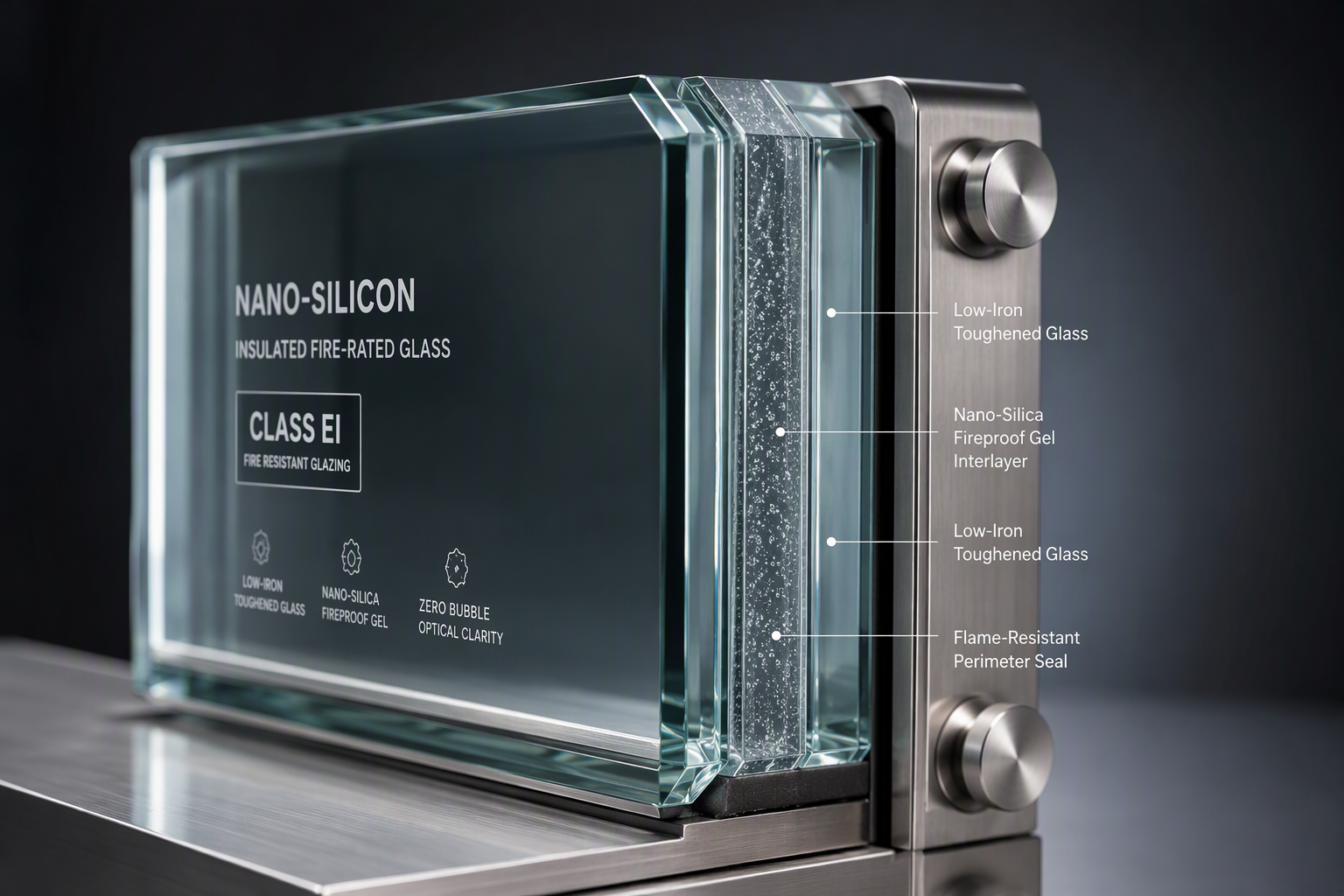
1. Core Chemical & Structural Mechanics: How Nano-Silicon Glass Works
Unlike legacy organic gel formulations (such as early-generation acrylamide compounds) which suffered from UV yellowing, haze formation, and edge bubbling over time, nano-silicon fire-rated glass utilizes an advanced inorganic macromolecular silicate cross-linked network.
The Phase-Transition Fire Barrier Mechanism
- Ambient State (Normal Operation): The nano-silica gel interlayer remains completely transparent, exhibiting optical clarity and visible light transmittance (VLT) exceeding 86%, visually indistinguishable from premium architectural laminated glass.
- Thermal Reaction Initiation (T ≥ 120°C): When exposed to furnace heat, the nano-silicon polymer layer initiates a rapid endothermic chemical reaction, releasing micro-encapsulated moisture to absorb vast amounts of latent heat energy.
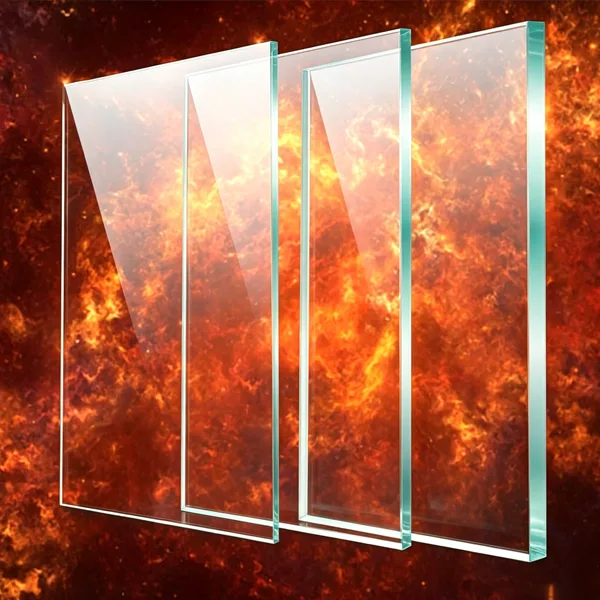
- Rigid Ceramic Thermal Shield (T ≥ 300°C): The gel expands up to 3 to 5 times its original volume, transforming into an opaque, solid ceramic-foam carbonaceous insulation blanket. This barrier halts heat radiation, keeping the non-fire side safe and touchable.
+ [ Pane 1 ]: Ultra-Clear Low-Iron Tempered Glass (5mm – 12mm)
+ [ Interlayer ]: Nano-Silica Intumescent Gel Core (UV-Stable, Zero Bubbles)
+ [ Pane 2 ]: Ultra-Clear Low-Iron Tempered Glass (5mm – 12mm)
+ [ Perimeter ]: High-Precision Flame-Resistant Composite Edge Seal & Stainless Brackets
2. Technical Specifications & Performance Matrix
Jinan Shenying manufactures a comprehensive spectrum of nano-silicon fire-rated glass products tailored to project-specific architectural requirements and fire compartmentalization criteria:
| Parameter | EI30 (30 Mins) | EI60 (60 Mins) | EI90 (90 Mins) | EI120 (120 Mins) |
|---|---|---|---|---|
| Nominal Thickness | 15 mm – 19 mm | 22 mm – 28 mm | 32 mm – 38 mm | 45 mm – 55 mm |
| Glass Configuration | 5mm + Gel + 5mm | 6mm + Gel + 6mm | 8mm + Gel + 8mm | Multi-Cavity Gel System |
| Approx. Weight | 36 – 45 kg/m² | 50 – 65 kg/m² | 75 – 90 kg/m² | 110 – 135 kg/m² |
| Light Transmittance (VLT) | ≥ 87% | ≥ 85% | ≥ 82% | ≥ 78% |
| Sound Insulation (Rw / STC) | 38 dB | 41 dB | 44 dB | 47 dB |
| Max Uncut Sheet Dimensions | 2400 × 3600 mm | 2400 × 3600 mm | 2000 × 3200 mm | 1800 × 3000 mm |
| Fire Integrity (E) | ≥ 30 min | ≥ 60 min | ≥ 90 min | ≥ 120 min |
| Thermal Insulation (I) | ≥ 30 min (ΔT≤140°C) | ≥ 60 min (ΔT≤140°C) | ≥ 90 min (ΔT≤140°C) | ≥ 120 min (ΔT≤140°C) |
| Climatic Durability Range | -40°C to +80°C (Zero yellowing, UV-stabilized testing) | |||
3. International Fire Testing Standards & Classification Guide
Specifying fire-rated glazing for international procurement requires a clear understanding of global testing methodologies and building code requirements:
1. European Standards (EN 1363, EN 1364-1, EN 1634-1)
- Class E (Integrity): Prevents penetration of flames, smoke, and combustible gas.
- Class EW (Radiation Reduction): Limits radiant heat flux on the unexposed face to ≤ 15 kW/m².
- Class EI (Integrity & Insulation): Unexposed surface temperature rise is strictly restricted to an average of ≤ 140°C and a single-point peak of ≤ 180°C. Jinan Shenying nano-silicon glass complies with full Class EI criteria.
2. North American Standards (UL 263 / ASTM E119 / NFPA 251 / NFPA 252)
- Fire-Protection-Rated vs. Fire-Resistance-Rated: Under the International Building Code (IBC), glazing in fire barriers, shaft enclosures, and exit passageways requiring >45 minutes must be classified as Fire-Resistance-Rated Glazing (ASTM E119 / UL 263) with thermal insulation and pass the mandatory Hose Stream Test.
- Shenying nano-silicon glass units are engineered to maintain structural integrity under high-pressure thermal shock hose stream testing.
3. British Standards (BS 476: Parts 20 & 22)
- Widely recognized across the Middle East, Southeast Asia, and Commonwealth jurisdictions for non-loadbearing vertical partitions, doorsets, and glazed screen assemblies.
4. Architectural Application Scenarios in Commercial Projects
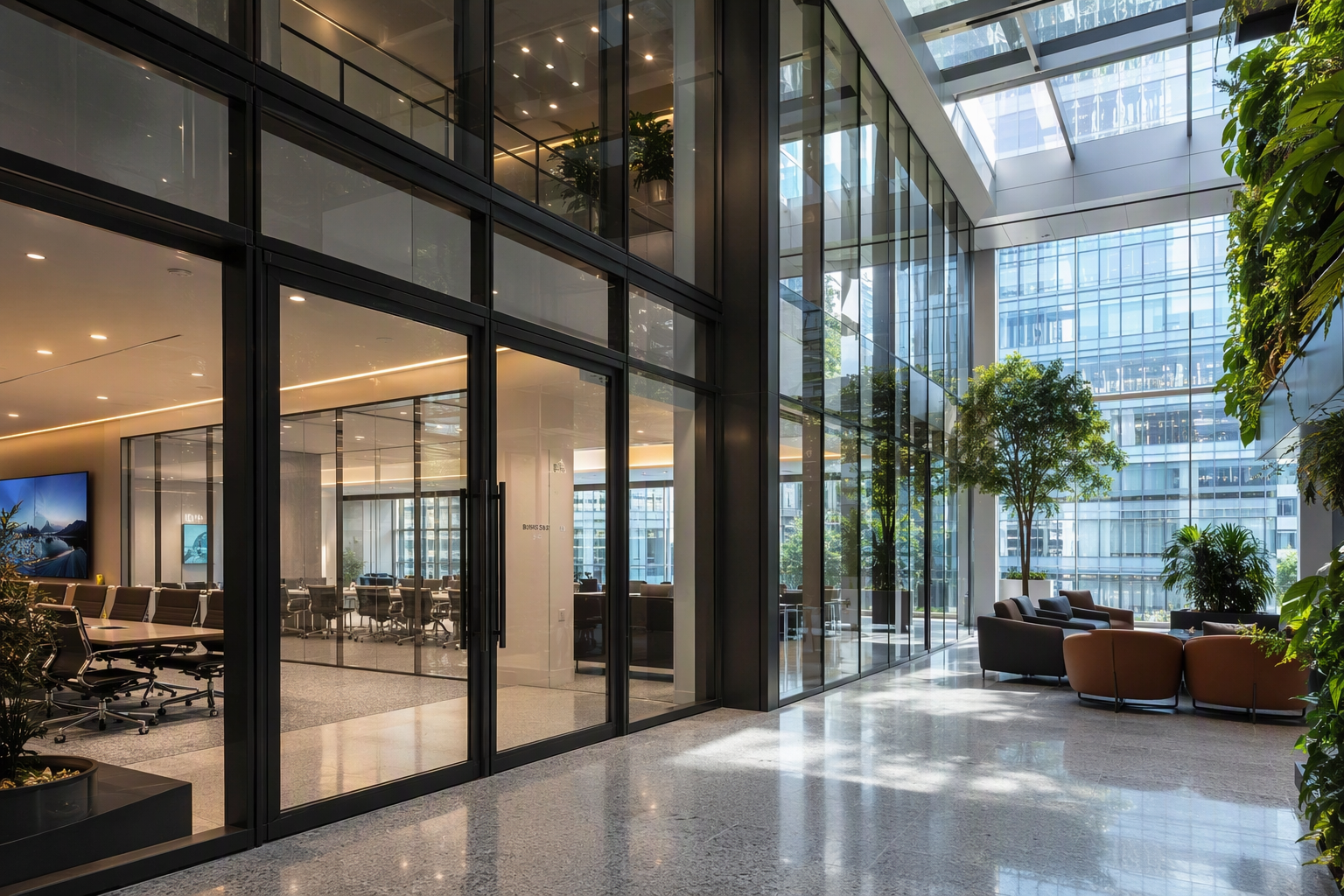
Nano-silicon fire-rated glass is specified across critical architectural zones in modern developments:
- CBD Corporate Headquarters & Atrium Enclosures: Creates luminous, open-plan workspaces while establishing certified 60-to-120 minute fire compartments between distinct tenant zones and multi-story open atriums.
- Hospital Egress Corridors & Intensive Care Units (ICU): Provides essential radiant heat shielding, enabling safe stretcher evacuation and protecting vulnerable patients from thermal radiation during emergency egress.
- Airport Terminals & Transportation Hubs: Expansive security partitions and concourse dividers that meet strict aviation safety codes without hindering visual sightlines.
- Data Centers & Industrial Control Rooms: Isolates mission-critical server racks and switchgear rooms, preventing high-heat transfer that could trigger secondary equipment fires.
5. Sourcing & Specification Checklist for Overseas B2B Buyers
When requesting engineering quotations or issuing RFQs for nano-silicon fire-rated glass, ensure the following parameters are specified:
- Required Fire Rating: State both Integrity (E) and Thermal Insulation (I) durations (e.g., EI60 or EI120).
- Framing Compatibility: Fire-rated glass must be paired with certified fire-rated steel or insulated aluminum profile systems. Shenying provides complete glass-and-frame turnkey assemblies.
- Edge Cover & Expansion Clearance: Allow an edge bite of at least 15 mm – 20 mm and adequate perimeter expansion gaps filled with ceramic fiber or intumescent glazing tape.
- Secondary Processing: Specify custom dimensions, polished bevel edges, CNC cutouts for locks/handles, or integrated Low-E insulated double-glazing (DGU/IGU) for exterior facades.
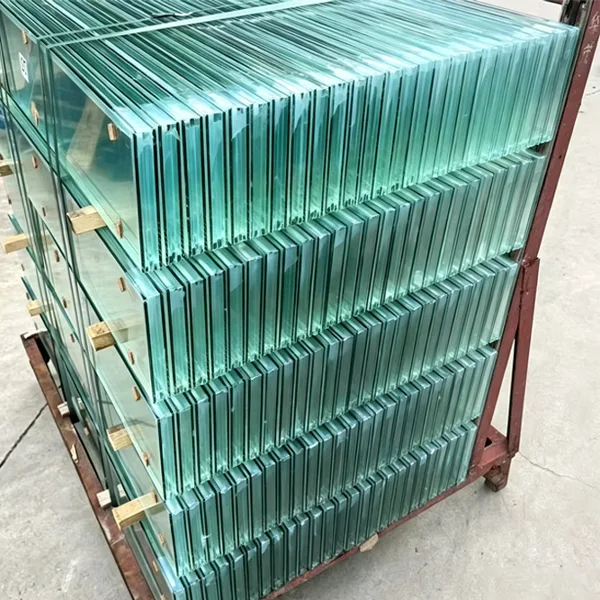
- Seaworthy Export Packaging: Shenying utilizes export-grade fumigation-free wooden crates with built-in shock absorption, corner protectors, desiccant packs, and moisture-proof plastic wrapping.
6. Why Partner with Jinan Shenying Fire Glass Doors & Windows
Jinan Shenying Fire-Resistant Glass, Doors and Windows Co., Ltd. is a leading Chinese manufacturer dedicated exclusively to fire safety glazing solutions since 2014. With automated multi-chamber laminating autoclaves, high-precision curing lines, and an in-house fire-testing laboratory, Shenying provides certified products to over 100 countries across Europe, North America, the Middle East, Southeast Asia, and Australia.
- Class EI30 to EI120 Certified Performance with international testing compliance.
- Zero UV Yellowing & High Weathering Durability Guarantee for indoor and outdoor installations.
- Custom Engineering Support & Fast Container Lead Times for commercial glazing projects.
- Complete Turnkey Solutions: Fire-rated glass partitions, doors, windows, and smoke barriers.
Request a Technical Quotation & Free Project Consultation
Planning a commercial or institutional project requiring certified fire-rated glazing? Contact our engineering team today for technical data sheets, batch test reports, and competitive factory-direct pricing.
Email: sales@shenyingfireglass.com | Phone/WhatsApp: +86 186 6898 5635 | Location: Jinan, Shandong, China
 English
 French
 Arabic